





What the Asean 2026 logo means


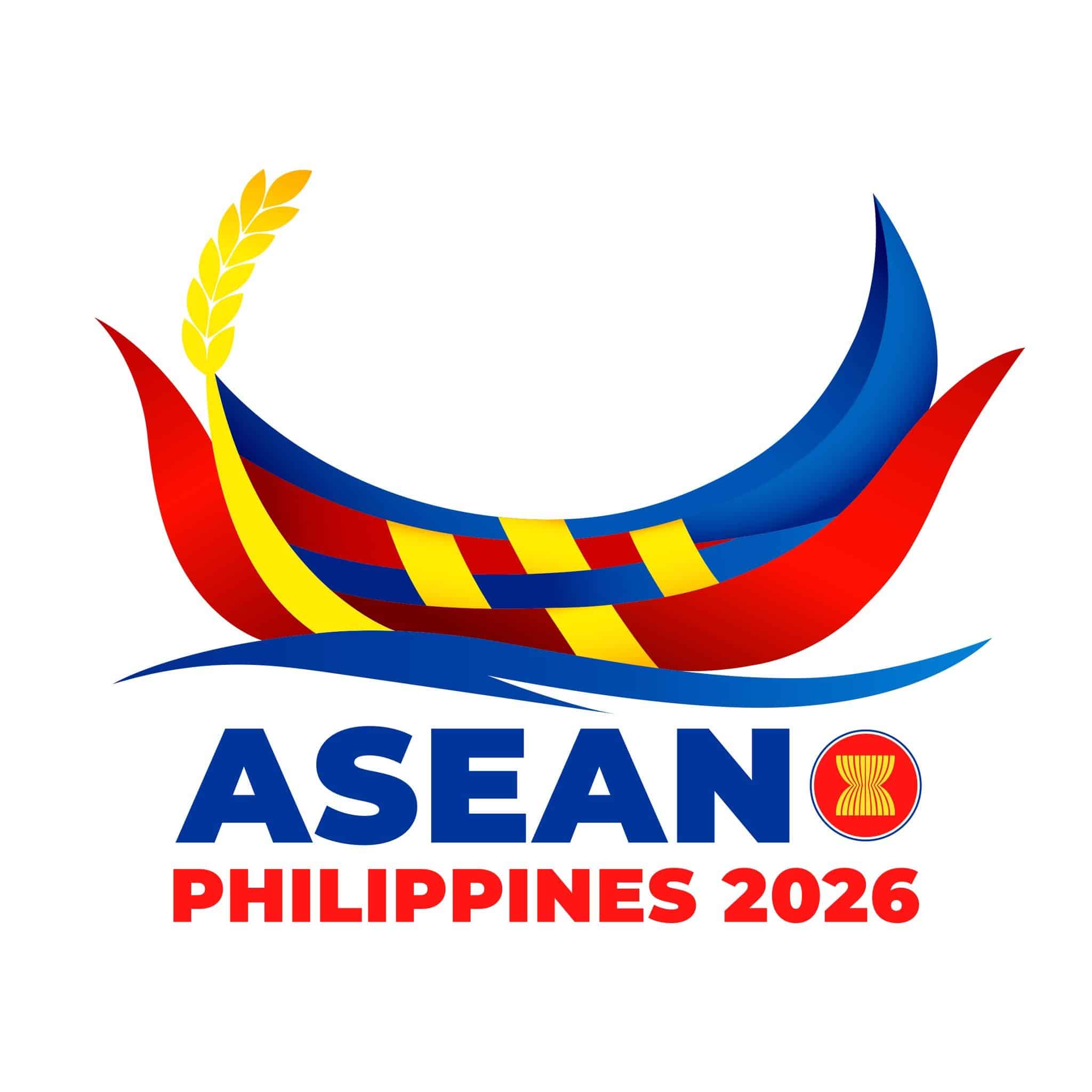
MANILA, Philippines — The Philippines’ chairmanship of the Association of Southeast Asian Nations (ASEAN) for 2026 was formally launched on Friday, with its official logo unveiled to the public for the first time.
But what do the elements of the logo entail?
The ASEAN 2026 logo is composed of four core elements: Rice Stalk, Weave Pattern, Wave, and Balangay.
READ: Palace: PH ready to head 2026 Asean
Rice Stalk
This symbolizes nourishment and abundance and reflects ASEAN’s commitment to food security. Each yellow grain represents the member states, with the 11th grain marking Timor-Leste’s entry into the regional community.
Weave Pattern
This element embodies the strength found in interconnection, and for this instance, the coming together of cultures, values, and aspirations. Each yellow thread is bound by a shared purpose that forms a vibrant tapestry of unity and collective progress among the ASEAN nations.
Wave
Painted blue, this signifies maritime security and cooperation and a nod to the waters that connect ASEAN Member States.
Balangay
The only red-colored element in the logo was inspired by the pre-colonial Filipino boat called Balangay. It constitutes moving forward together aboard a single boat despite each country’s unique character.
The public may also access https://asean2026.gov.ph/ to learn more about the event and get updates on the country’s hosting.
In his speech during the launch, President Ferdinand Marcos Jr. said the country’s chairmanship will focus on the responsible and ethical use of artificial intelligence for security challenges, early warning systems, maritime domain awareness, and humanitarian assistance and disaster response.
The ASEAN 2026’s theme, “Navigating our Future, Together,” meanwhile, will focus on tackling priorities: peace and security anchors; prosperity corridors; and people empowerment. /mr


