
MANILA, Philippines — The Philippines has received a $2.5-million grant aid from Japan for the improvement of tuberculosis (TB) screening in the country, which is seen to help address the “substantial gap” between the estimated incidence of the disease and the number of people who were actually diagnosed and treated.
“Despite the gains we have made in the Philippines, the Philippines still ranks as a high-burden country for TB,” Health Secretary Teodoro Herbosa said during the signing of the grant agreement on Thursday.
“Many of our countrymen, especially in the socioeconomically low classes and geographically isolated and disadvantaged areas, remain undiagnosed and untreated due to limited access to diagnostic tools and health services,” he added.
Based on data from the World Health Organization (WHO), an estimated 739,000 Filipinos developed TB in 2023, with 643 cases per 100,000 population. However, only a total of 576,000 got diagnosed, suggesting a substantial gap.
READ: DOH: TB is primary cause of death among people with HIV
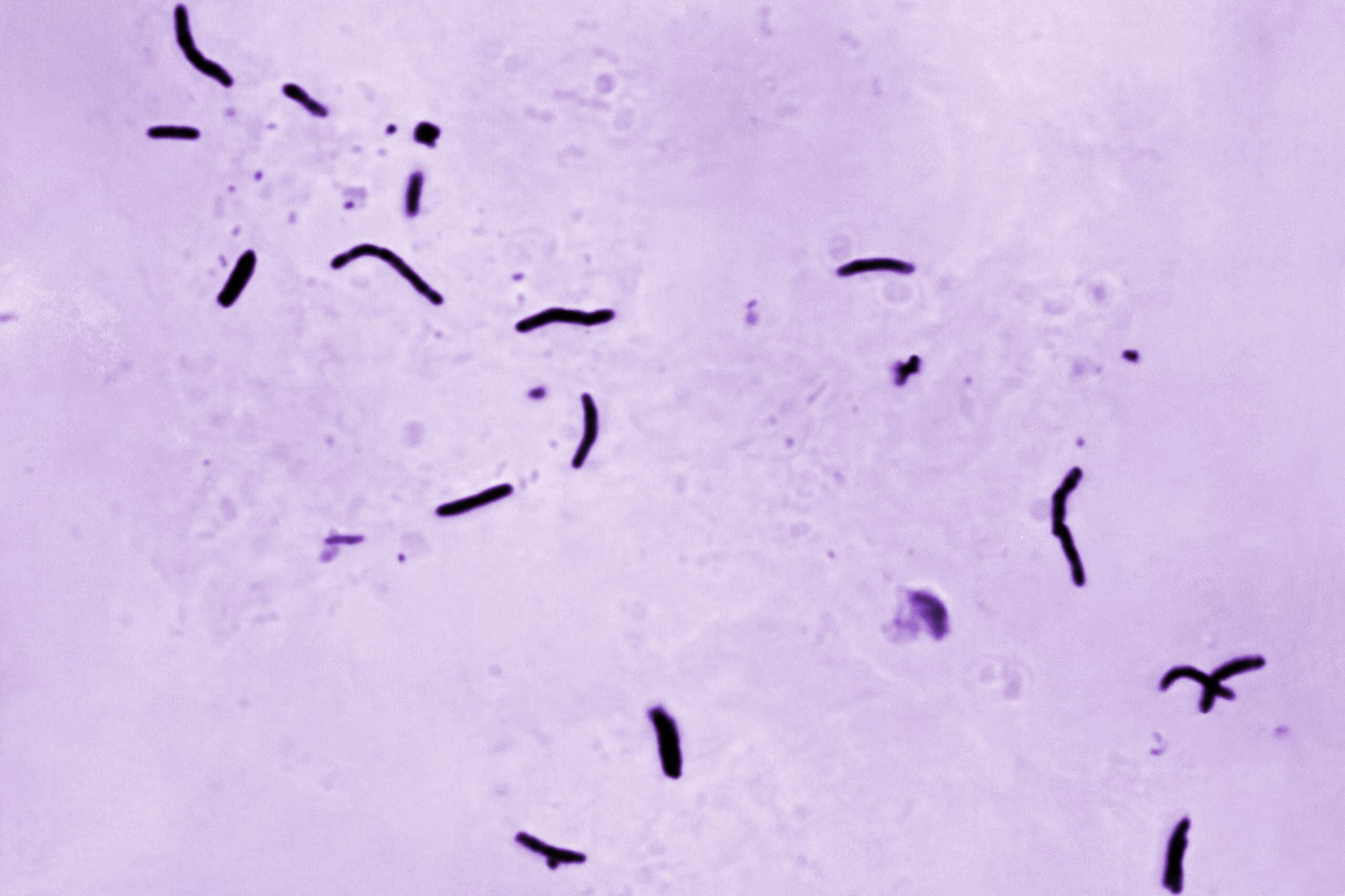
According to the global health agency, TB is an infectious disease caused by a bacterium that often affects the lungs and spreads through the air when those who are infected cough, sneeze, or spit. Common symptoms of TB include prolonged cough, sometimes with blood, chest pain, weakness, fatigue, weight loss, fever, and night sweats.
However, the WHO said some people with TB may only have mild symptoms for many months, or they might not even show any, making it easy to spread the disease to others unknowingly.
“Tuberculosis, or TB, remains an unseen yet devastating threat to the wider health and stability of the country. In 2024 alone, the Philippines recorded approximately 540,000 TB cases, with over 9,800 lives lost to this disease,” said Japanese Ambassador Endo Kazuya.
READ: With foreign aid freeze, PH TB program needs more local help
“As a committed neighbor and partner, Japan stands ready to lighten the burdens brought by TB in realizing healthier outcomes in the Philippines. We hope to strengthen the health of the region we share,” he added.
Under the grant, Japan will also be donating 20 portable X-ray machines equipped with artificial intelligence technology to various provincial health offices, in an effort to increase early TB detection in underserved areas.
“With the technology we’re going to get, the ultra-portable, just like this handheld camera, you can bring it to remote villages. And you don’t need a radiologist because it has artificial intelligence,” said Herbosa.
With the new X-ray machines, Herbosa said test results for TB would be immediately displayed on a laptop. He said the machines will be deployed in areas with high cases of TB that remain undiagnosed. /mr